How Often Should Dentures Be Relined?
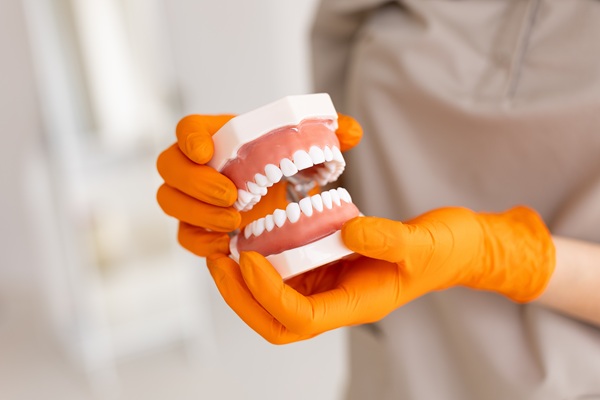
Dental professionals recommend a denture reline at least every two years. However, you might need to get your dentures relined more often depending on various factors, such as the materials used for the reline and the degree of bone loss you have experienced. You need to visit a general dentist once a year to get your dentures checked. If your dentures do not fit properly, a reline might be recommended. Learn more about the process as well as how to tell if you need a reline.
Denture reline process
During a denture reline, the general dentist adds material to the dentures to secure the fit. A denture reline makes the dentures tighter and more secure. A reline can also make the dentures more comfortable. The dentist can provide a hard or soft reline. While dentists can recommend an option to the patient, the patient ultimately chooses the type of reline.
Hard and soft relines
During a denture reline, the dentist removes some of the denture’s inner plate. This is the section of the denture that hugs the gums. Then the material is replaced with putty, and the dentist takes an impression. The putty hardens and is used as a model.
If the dentist is providing a soft reline, the putty is replaced with a soft polymer. This is more comfortable than the hard-acrylic material. Soft relines usually last for up to 18 months. Patients need to come in for more adjustments to ensure the reline material is holding up.
If the dentist is providing a hard reline, the putty is replaced with a material that is similar to what was originally used for the dentures. This material is not as comfortable as the soft polymer material, but it lasts longer. While a hard reline is recommended every two years, this can last even longer. Some people do not require additional relines for three or more years after getting a hard reline. However, most need relines every two years due to bone loss.
Signs a reline is needed
People might need a denture reline sooner than two years. People should look for signs that a reline is necessary. Those who experience prolonged periods of discomfort likely need a reline. People who have trouble chewing food should also visit the dentist for a reline.
Also, if the dentures feel loose, it is time for a reline. Loose dentures are usually caused by bone loss. The dentures need to be adjusted to fit once again after the bone loss. It is normal for people to need relines due to bone loss every two years.
Do you need a denture reline?
If you wear dentures, you will need to get relines at least every two years. Your dentist will choose between a hard and soft reline. A soft reline is a good option if you experience discomfort when wearing dentures, even if the devices fit properly. A hard reline is a good choice if you want something that lasts longer. Talk to your dentist about the benefits of both and get your denture relined.
Request an appointment here: https://sanramondds.com or call DM Dentistry at (925) 230-9569 for an appointment in our San Ramon office.
Check out what others are saying about our dental services on Yelp: Denture in San Ramon, CA.
Related Posts
Tooth loss affects appearance and the ability to chew, speak, and smile with confidence. Fortunately, implant-supported dentures can replace multiple teeth with a natural look and feel. This advanced tooth replacement is also known for its durability, stability, and ability to prevent jawbone loss. A general dentist trained in implant dentistry can help patients understand…
Complications after a tooth extraction are uncommon, but understanding the warning signs helps protect long-term oral health. During healing, problems such as infection, dry socket, or prolonged bleeding can occasionally develop. Knowing what to watch for and when to call a dentist supports a smoother recovery. Below are a few things to watch for after…
Root canal retreatment can prevent infection, pain, or swelling from compromising oral health. A root canal saves a tooth by removing inflamed or infected pulp and sealing internal spaces, but certain situations call for retreatment to restore stability. Recognizing the signs that this treatment may be urgently necessary allows a dental provider to act quickly…
Dental veneers are among the most popular cosmetic treatments in modern dentistry. However, there are several misconceptions about their purpose, durability, and required maintenance. If you are considering dental veneers to improve your smile, it can be helpful to understand the myths and facts about this cosmetic treatment.A common misconception is that dental veneers always…
